[occ2] Shorts and Bibs
From:
"Mary Jeavons mshick1@PROTECTED [occ2]" <occ2@PROTECTED>
Date:
February 10th 2020
Bike Shorts and Bibs
These differ from street shorts primarily by 1) added stretch for full freedom of movement, and 2) a padded crotch liner to reduce friction and wick moisture.
Features:
- Panel construction: In the past, a greater number of panels (typically 6 or 8) correlated to a more comfortable fit. While this is still generally true, fabric technology has progressed to the point that the number of panels doesn't necessarily mean "better" for everyone.
- Padded liner: A smooth, soft pad of "chamois" (actually made of synthetic) minimizes friction, wicks moisture, prevents bacterial growth and helps cushion bumps. It's the most complex part of a bike short. There are a multitude of shapes, thicknesses and materials among brands and genders. Some guidelines:
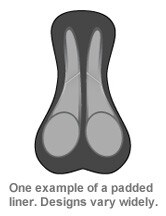
- Multi-density, open-cell foam liners deliver high-end performance and comfort for long rides.
- Gel/open-cell foam liners offer greater recreational or mountain-bike cushioning but are less breathable on long, hot rides.
- Closed-cell foam liners offer good performance at a lower cost.
- Legs: Longer-cut legs and leg grippers prevent saddle chafing and keep shorts in place. FS Pro's are flat no seams.
- Waist style: Most road shorts feature stretchy but non-adjustable spandex. A yoga-style cut offers less-restrictive comfort in some women's styles.
Bib shorts: Popular with cycling enthusiasts but a comfortable option for any rider, these don't have an elastic waistband that can restrict breathing. Worn with a jersey, they look like any other bike shorts.
See our club selection at:


- This mailing list is a public mailing list - anyone may join or leave, at any time.
- This mailing list is a group discussion list (unmoderated)
-
Start a new thread, email: occ2@onondagacyclingclub.org
The new OCC List Serv using Dadamail with Amazon SES.
Privacy Policy:
The subscriber information will not sold or used for any other purpose.